Auto body paint restoration is the process of improving the appearance and protective finish of a vehicle after scratches, fading, chips, oxidation, or minor surface damage. It combines surface preparation, colour matching, painting, and finishing techniques to restore the original look of the vehicle. While many people associate vehicle paint restoration with accident repair, it is also used to address normal wear caused by sunlight, weather, road debris, and everyday driving.
Modern vehicle paint systems have evolved over many decades. Early automotive finishes mainly focused on appearance, while current paint systems are designed to provide colour, durability, corrosion protection, and resistance to environmental conditions. Today's restoration methods use carefully matched paint layers and protective clear coats to achieve a uniform finish.
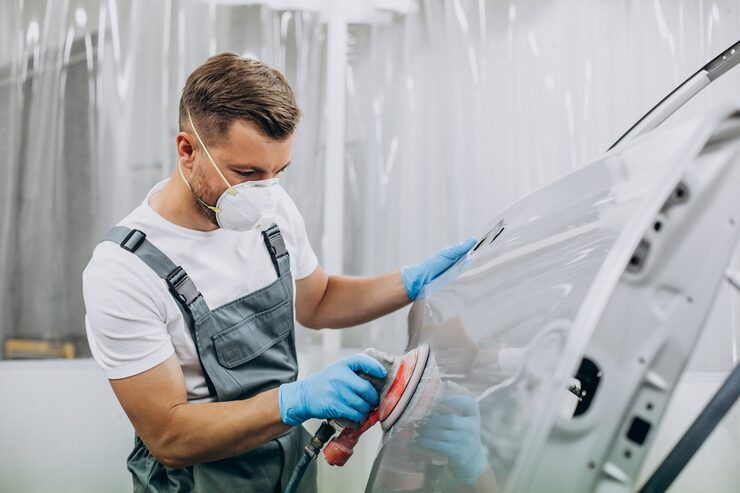
Understanding the restoration process helps vehicle owners recognise why proper preparation and careful application are important for long-lasting results.
Common reasons for paint restoration
Vehicle paint may require restoration for several reasons, including:
- Scratches from everyday use
- Stone chips from road travel
- Sun fading and oxidation
- Minor collision damage
- Rust treatment after surface preparation
- Age-related paint deterioration
Each situation may require a different restoration approach depending on the condition of the painted surface.
Importance
Why vehicle paint restoration matters
Vehicle paint does more than improve appearance. It also protects metal body panels from moisture, dirt, road salt, and other environmental factors that may contribute to corrosion over time.
Maintaining a healthy paint finish can help preserve the condition of exterior panels and reduce the chance of surface rust spreading. Even small paint chips may expose bare metal if left untreated for long periods.
For many vehicle owners, paint restoration also helps maintain a consistent exterior appearance after repairs or replacement of damaged body panels.
Everyday situations where restoration helps
Paint restoration may be useful after:
- Parking lot scratches
- Small dents repaired with body work
- Weather-related fading
- Tree sap or bird droppings causing surface marks
- Minor bumper damage
- Replacement of doors, fenders, or bonnets
Each repair aims to blend the restored area with the surrounding paint as closely as possible.
Typical restoration stages
The general process often includes the following steps:
| Stage | Purpose |
|---|---|
| Inspection | Assess paint condition and damage |
| Surface preparation | Clean, sand, and smooth damaged areas |
| Primer application | Create a stable base for paint |
| Colour matching | Match the original vehicle colour |
| Paint application | Apply multiple thin paint layers |
| Clear coat | Add protection and gloss |
| Finishing | Polish and inspect the completed surface |
Recent Updates
Continued improvements in paint technology
Vehicle paint restoration continues to evolve as manufacturers introduce finishes that are more durable and environmentally conscious. Water-based paint systems have become more widely used in many regions because they reduce certain emissions during application while maintaining colour quality.
Paint manufacturers have also improved colour matching systems using digital scanning equipment. These systems compare the existing paint finish with extensive colour databases, helping technicians identify suitable paint formulas for older and newer vehicles.
Growth of digital colour matching
Digital colour analysis has become increasingly common for vehicle paint restoration. Instead of relying only on visual comparison, specialised scanners analyse paint colour under controlled lighting conditions. This helps improve consistency when restoring individual body panels.
Greater focus on environmentally responsible practices
Many repair facilities continue to adopt equipment designed to improve paint transfer efficiency and reduce material waste. Better ventilation, enclosed spray booths, and modern drying systems also support cleaner working environments while maintaining consistent paint quality.
Laws or Policies
Environmental regulations
Vehicle painting is subject to environmental regulations in many countries because paint products may contain substances that require careful handling. Rules often cover storage, application, ventilation, and disposal of paint materials.
Many regions encourage lower-emission coating technologies and proper management of paint waste to reduce environmental impact.
Vehicle safety considerations
When structural repairs are completed before paint restoration, they may need to follow national vehicle safety standards. These standards help ensure repaired body panels continue to perform as intended.
Consumer protection
Many countries have consumer protection laws that require repair information to be clear and accurate. Documentation describing completed work, paint materials, and replacement components may be provided depending on local regulations and repair circumstances.
Because regulations differ between countries, specific requirements vary according to local authorities.
Tools and Resources
Several tools and information resources help people understand vehicle paint restoration and colour matching.
Digital colour matching systems
Modern colour scanners compare existing vehicle paint with large digital colour libraries, helping identify suitable paint formulations for restoration work.
Paint code databases
Most vehicle manufacturers assign paint codes that identify the original factory colour. These codes are commonly found on information labels located inside the vehicle.
Vehicle owner's manual
The owner's manual may include information about exterior finish care, washing recommendations, and precautions that help maintain painted surfaces.
Government road safety websites
National transportation authorities often publish information about vehicle maintenance, accident repairs, and inspection requirements that may relate to body repairs.
Maintenance record templates
Vehicle maintenance records help owners track repainting, body repairs, polishing, rust treatment, and other exterior maintenance activities over time.
FAQs
What is auto body paint restoration?
Auto body paint restoration is the process of repairing damaged paint surfaces through preparation, colour matching, painting, and finishing to restore the vehicle's exterior appearance and protective coating.
How long does vehicle paint restoration usually take?
The time depends on factors such as the size of the damaged area, drying requirements, weather conditions, and whether body repairs are needed before painting. Small repairs generally take less time than complete panel restoration.
Can auto body paint restoration fix faded paint?
In many cases, faded paint can be improved through polishing, paint correction, or repainting, depending on the condition of the original finish and the amount of surface deterioration.
How is paint colour matched during vehicle paint restoration?
Many repair facilities use manufacturer paint codes together with digital colour matching equipment to compare the existing finish and prepare a closely matched paint mixture.
Does every scratch require repainting?
Not always. Very light surface scratches may be improved through polishing if they have not penetrated the clear coat. Deeper scratches that reach the paint layers or bare metal may require additional restoration work.
Conclusion
Auto body paint restoration combines preparation, colour matching, painting, and finishing to restore both appearance and surface protection. Modern techniques continue to improve through digital colour analysis, updated coating technologies, and environmentally conscious practices. Understanding the restoration process helps vehicle owners recognise the purpose of each stage and the factors that influence the final result. Regulations, proper maintenance, and accurate colour matching all contribute to consistent vehicle paint restoration outcomes.