UNESCO World Heritage Sites are places recognized for their outstanding cultural or natural importance to humanity. These locations are selected by the United Nations Educational, Scientific and Cultural Organization (UNESCO) because they represent significant achievements of human history, remarkable natural landscapes, or a combination of both.
The World Heritage program was created to encourage the protection and preservation of places that have lasting value across generations. Countries nominate sites within their borders, and an international committee evaluates whether they meet established criteria before adding them to the World Heritage List.
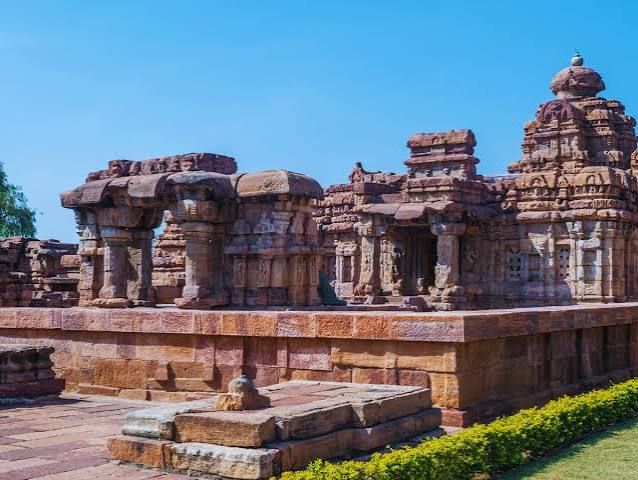
Today, UNESCO World Heritage Sites can be found on every continent. They include ancient cities, archaeological remains, forests, mountains, deserts, coral reefs, and historic monuments. Each site reflects a unique story about culture, history, science, or nature.
Many travelers include UNESCO World Heritage Sites in their travel plans because these places provide opportunities to learn about civilizations, biodiversity, architecture, and local traditions. Visiting them also helps people better understand the importance of preserving shared global heritage.
Examples of UNESCO World Heritage Sites
Some well-known examples include:
| Site | Country | Category |
|---|---|---|
| Taj Mahal | India | Cultural |
| Machu Picchu | Peru | Cultural |
| Great Barrier Reef | Australia | Natural |
| Pyramids of Giza | Egypt | Cultural |
| Serengeti National Park | Tanzania | Natural |
| Historic Centre of Rome | Italy | Cultural |
Importance
UNESCO World Heritage Sites play an important role in preserving history, culture, and nature. They help protect places that could otherwise face damage from urban development, pollution, climate change, natural disasters, or unmanaged tourism.
For local communities, World Heritage recognition often encourages greater awareness of conservation and responsible management. Governments and heritage organizations frequently develop long-term preservation plans to maintain the historical or environmental value of these locations.
These sites also support education by allowing visitors to learn about different cultures and ecosystems through real-world experiences. Students, researchers, historians, and nature enthusiasts often study these places to better understand the development of civilizations and the natural world.
For travelers, UNESCO World Heritage Sites provide opportunities to experience diverse architectural styles, historical landmarks, traditional communities, and remarkable landscapes in a meaningful way.
Why these sites matter
UNESCO World Heritage Sites help:
- Preserve cultural traditions.
- Protect natural ecosystems.
- Encourage historical education.
- Support scientific research.
- Promote responsible tourism.
- Increase public awareness about conservation.
Recent Updates
The UNESCO World Heritage List continues to grow as additional cultural and natural sites are evaluated and recognized. Recent years have seen increasing attention given to landscapes affected by climate change, biodiversity conservation, and cultural preservation.
Digital technology has become more widely used to document historic monuments and archaeological sites. Three-dimensional mapping, drone surveys, and digital archives help conservation teams monitor changes over time and plan restoration work more effectively.
Many heritage destinations have also introduced visitor management strategies to reduce overcrowding. These measures may include timed entry systems, designated walking routes, and improved visitor education to reduce environmental impact.
Climate resilience has become another important area of discussion. Rising sea levels, changing weather patterns, wildfires, and erosion continue to affect many natural and cultural heritage locations around the world.
Sustainable tourism remains an ongoing focus, encouraging travelers to respect local customs, protect natural environments, and support preservation efforts through responsible behavior.
Laws or Policies
UNESCO World Heritage Sites are protected through a combination of international agreements and national laws.
The World Heritage Convention provides the international framework for identifying and protecting cultural and natural heritage. Countries that participate in the convention agree to preserve listed sites and report on their condition.
National governments develop their own legislation to manage and protect World Heritage Sites within their borders. These rules may address:
- Conservation planning.
- Environmental protection.
- Archaeological preservation.
- Construction restrictions near heritage areas.
- Visitor management.
- Cultural resource protection.
For example, in India, many UNESCO World Heritage Sites are managed under heritage conservation laws and environmental regulations administered by government authorities responsible for archaeology, forests, wildlife, and cultural preservation.
Local authorities may also establish additional guidelines to balance tourism, community needs, and long-term conservation.
Tools and Resources
Several tools and online resources help travelers, researchers, educators, and students learn about UNESCO World Heritage Sites.
Useful resources include:
- UNESCO World Heritage List for official site information.
- Interactive World Heritage maps for exploring locations by region.
- Digital museum collections featuring historical artifacts.
- Geographic information systems (GIS) used for conservation planning.
- Travel planning platforms that organize transportation, accommodation, and local attractions.
- Translation applications for multilingual communication.
- Weather forecast platforms to understand seasonal conditions before visiting.
- Digital itinerary templates for organizing multi-country travel.
Educational institutions also use virtual tours, digital archives, and interactive maps to introduce students to cultural and natural heritage from around the world.
FAQs
What are UNESCO World Heritage Sites?
UNESCO World Heritage Sites are cultural or natural places recognized for their exceptional importance to humanity. They are selected according to internationally established criteria and are protected through conservation efforts.
How are UNESCO World Heritage Sites selected?
Countries nominate locations that meet one or more UNESCO criteria. Experts evaluate each nomination before the World Heritage Committee decides whether the site should be added to the World Heritage List.
Which UNESCO World Heritage Sites are suitable for cultural history?
Many cultural heritage locations preserve ancient architecture, historical cities, temples, monuments, and archaeological remains. Each reflects different periods of human history and regional traditions.
Can natural UNESCO World Heritage Sites be visited?
Many natural World Heritage Sites welcome visitors while following conservation rules designed to protect wildlife, ecosystems, and landscapes. Visitor guidelines vary depending on the location.
Why are UNESCO World Heritage Sites important for future generations?
These sites preserve cultural traditions, historical knowledge, biodiversity, and natural environments so they can continue to be studied and appreciated over time.
Conclusion
UNESCO World Heritage Sites represent important cultural and natural places shared by people around the world. They preserve history, architecture, ecosystems, and traditions that help explain human civilization and the natural environment. Conservation efforts, responsible tourism, and international cooperation continue to support the long-term protection of these locations. As the World Heritage List evolves, these sites remain valuable educational and cultural resources for present and future generations.