
Cable & wire manufacturing is the industrial process of producing electrical wires, communication cables, and specialized conductors used in homes, industries, transportation systems, and communication networks. These products carry electricity, data, and signals that support many everyday activities. Without them, modern infrastructure would not function as expected.
The manufacturing process has developed over many decades as new materials, safety standards, and production technologies have emerged. Early electrical wiring mainly used copper conductors with basic insulation. Today, manufacturers produce a wide variety of cables designed for different environments, including buildings, factories, renewable energy facilities, vehicles, and telecommunications networks.
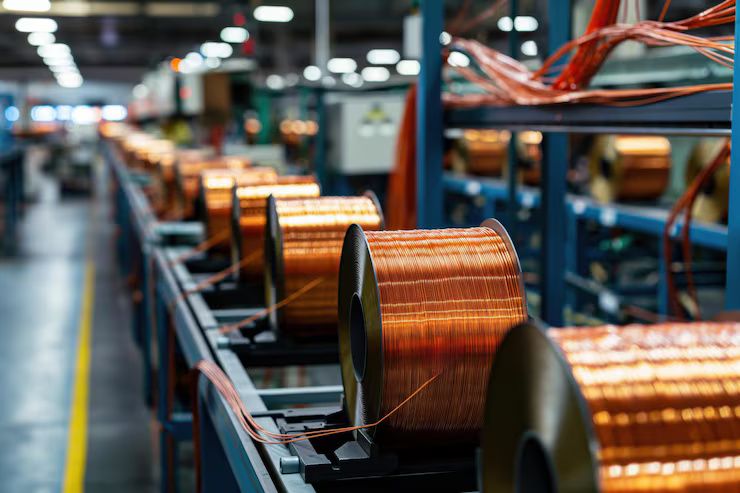
Although cables and wires may appear simple from the outside, their production involves multiple carefully controlled stages. Each stage contributes to electrical performance, durability, flexibility, and safety. Different applications require different conductor materials, insulation types, and protective coverings.
Cable & wire manufacturing supports many sectors, including construction, power distribution, transportation, electronics, healthcare, manufacturing, and information technology. As societies continue expanding digital infrastructure and renewable energy systems, demand for reliable cable production remains an important part of industrial development.
Importance
Cable & wire manufacturing affects nearly everyone because electrical and communication networks depend on reliable wiring. Homes require electrical wiring for lighting and appliances, while offices depend on network cables for internet access and communication.
Many industries also rely on specialized cables for machinery, automation equipment, and monitoring systems. Renewable energy installations such as solar and wind facilities require durable power cables capable of operating under changing weather conditions.
Some common applications include:
- Residential electrical wiring
- Commercial buildings
- Industrial automation
- Telecommunications infrastructure
- Electric vehicle charging systems
- Railway networks
- Renewable energy installations
- Medical equipment
- Consumer electronics
- Data centers
The manufacturing process also addresses several practical challenges. These include improving electrical efficiency, reducing energy losses, increasing product durability, and meeting modern safety requirements. Manufacturers continuously refine production methods to support higher performance while maintaining consistent product quality.
Common Materials Used
Several materials are commonly used during cable production.
- Copper: High electrical conductivity and flexibility.
- Aluminum: Lower weight for certain power transmission applications.
- PVC insulation: Common insulation material for general electrical wiring.
- XLPE insulation: Suitable for higher temperatures and power distribution.
- Rubber compounds: Used where flexibility is important.
- Fiber optic glass: Carries light signals for communication networks.
Recent Updates
Cable & wire manufacturing continues to evolve as industries adopt automation, digital monitoring, and environmentally conscious production methods. Rather than one major change, the industry has experienced gradual improvements across manufacturing equipment and material development.
Many production facilities now use automated inspection systems to identify defects during manufacturing. Machine vision and sensor technology help maintain consistent product dimensions and insulation quality throughout production.
Digital manufacturing has also become more common. Connected production equipment allows manufacturers to monitor production performance, machine condition, and material usage in real time. These systems help improve manufacturing efficiency while reducing unnecessary material waste.
Another continuing trend involves increased demand for cables supporting renewable energy projects, electric vehicles, and modern communication networks. As these industries expand, manufacturers continue developing cables designed for higher power capacity, improved flexibility, and longer operating life.
Material research also continues to focus on insulation compounds that improve durability while supporting environmental goals. Many manufacturers are exploring recycling methods for production materials and improving manufacturing efficiency to reduce resource consumption.
Laws or Policies
Cable & wire manufacturing is guided by electrical safety standards, product testing requirements, and environmental regulations. The exact rules vary by country, but many share similar objectives related to safety, product quality, and environmental responsibility.
Manufacturers generally follow nationally recognized electrical standards that specify conductor performance, insulation requirements, testing procedures, and labeling practices. Products intended for construction and industrial use are typically tested before entering the market.
Environmental regulations may address areas such as:
- Material handling
- Manufacturing emissions
- Waste management
- Recycling practices
- Chemical usage
- Workplace safety
Many countries also encourage greater energy efficiency through building regulations that require approved electrical wiring for residential and commercial construction. Telecommunications infrastructure projects may follow additional technical standards for communication cables and fiber optic systems.
International trade has also encouraged wider adoption of globally recognized manufacturing and quality management standards, making it easier for products to meet requirements across different regions.
Tools and Resources
Various digital tools and technical resources support cable & wire manufacturing, engineering, and electrical planning.
| Tool or Resource | Typical Purpose |
|---|---|
| Cable sizing calculators | Estimate suitable conductor size for electrical circuits |
| Voltage drop calculators | Calculate expected voltage loss over cable length |
| Electrical load calculators | Estimate electrical demand for installations |
| CAD software | Design cable layouts and engineering drawings |
| Manufacturing execution systems | Monitor production processes |
| Quality inspection software | Track testing and product measurements |
| Enterprise resource planning platforms | Coordinate production planning and inventory |
| Industry standards publications | Provide technical guidance and testing requirements |
Educational resources are also widely available through engineering organizations, technical institutes, and manufacturer documentation. These materials explain conductor selection, insulation types, installation methods, and safety requirements using practical examples.
Production Processes
Wire Drawing
Production usually begins by reducing metal rods into thinner wires using a sequence of drawing machines. This process produces conductors with the required diameter while maintaining strength and flexibility.
Annealing
After drawing, the conductor may be heated under controlled conditions to improve flexibility and electrical performance. This step helps prepare the wire for later manufacturing stages.
Stranding
Many cables use multiple smaller wires twisted together instead of one solid conductor. Stranding increases flexibility, making installation easier in many applications.
Insulation
A protective insulation layer is applied around the conductor. Different insulation materials are selected according to temperature, voltage, flexibility, and environmental conditions.
Jacketing
An outer jacket protects the cable from moisture, sunlight, chemicals, abrasion, and mechanical damage. Different environments require different protective materials.
Testing and Inspection
Before distribution, finished cables undergo inspections that may include:
- Conductor measurement
- Insulation thickness verification
- Voltage testing
- Mechanical strength testing
- Flexibility evaluation
- Visual inspection
- Identification marking
Testing helps confirm that products meet applicable manufacturing standards.
Applications
Cable & wire manufacturing supports numerous industries and public infrastructure projects.
Examples include:
- Residential electrical systems
- Office buildings
- Manufacturing facilities
- Renewable energy installations
- Electric vehicle infrastructure
- Railway signaling
- Airport systems
- Marine applications
- Telecommunications networks
- Data communication systems
Different environments require different cable designs. Underground power distribution, underwater communication, industrial automation, and household wiring each have unique performance requirements.
FAQs
What is cable & wire manufacturing?
Cable & wire manufacturing is the industrial process of producing electrical wires, communication cables, and specialized conductors using metal conductors, insulation materials, protective jackets, and quality testing procedures.
What materials are commonly used in cable & wire manufacturing?
Common materials include copper, aluminum, PVC, XLPE, rubber compounds, and fiber optic glass. The selected material depends on the intended electrical, mechanical, and environmental requirements.
How does cable & wire manufacturing improve electrical safety?
Manufacturing standards require testing of conductor dimensions, insulation quality, and product performance. These processes help produce wiring that meets applicable electrical safety requirements.
Where are cable & wire manufacturing products commonly used?
They are widely used in homes, commercial buildings, industrial facilities, renewable energy projects, transportation systems, telecommunications networks, medical equipment, and consumer electronics.
Why is cable & wire manufacturing changing?
Growing demand for renewable energy, electric vehicles, digital communication networks, and automated production has encouraged manufacturers to improve production technology, quality monitoring, and material efficiency.
Conclusion
Cable & wire manufacturing plays an essential role in modern infrastructure by supporting the movement of electricity and communication signals across many industries. The production process combines carefully selected materials with multiple manufacturing and testing stages to meet safety and performance requirements. Continuing developments in automation, digital monitoring, and material technology are gradually shaping the future of cable production. As infrastructure continues to expand, cable and wire manufacturing remains an important part of reliable electrical and communication systems.