Diamond bracelets combine precious metals with diamonds in a design intended to be worn around the wrist. They range from delicate diamond tennis bracelets to linked, bangle-style, and contemporary designs. The choice of style depends on personal taste, comfort, wrist size, diamond arrangement, and how the bracelet is expected to be worn.
The history of diamond jewelry is connected with improvements in diamond cutting, metalworking, and jewelry craftsmanship. As diamond cutting techniques developed, smaller stones could be arranged into detailed patterns, allowing bracelets to take many forms.
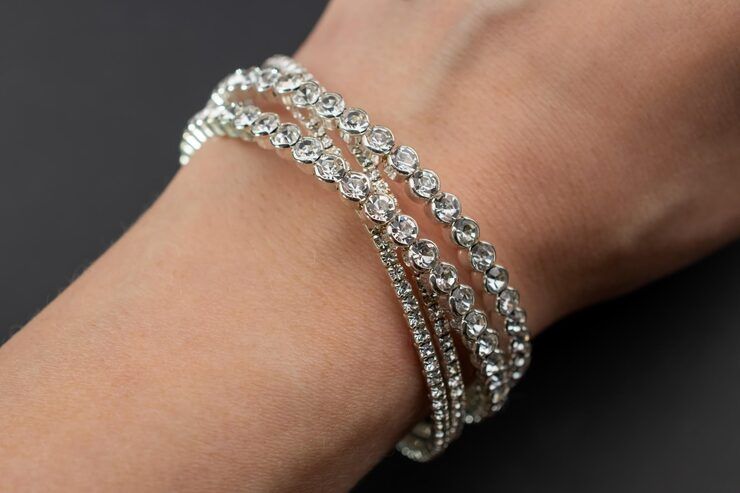
Today, diamond bracelets are available in numerous designs. Some use a continuous row of stones, while others place diamonds at intervals along a metal band. Understanding these differences makes it easier to compare styles without focusing only on appearance.
Common Diamond Bracelet Styles
Several styles appear frequently in modern jewelry collections. A tennis bracelet usually features diamonds arranged in a continuous line around the wrist. A diamond bangle has a more structured shape and may use diamonds across part or all of its surface.
Other designs include linked bracelets, chain bracelets with diamond accents, station bracelets with stones spaced along a chain, and flexible bracelets made from multiple connected sections.
The main differences can be summarized as follows:
| Bracelet Style | Typical Design | General Appearance | Flexibility |
|---|---|---|---|
| Tennis bracelet | Continuous diamond row | Even and refined | High |
| Diamond bangle | Structured circular band | Sleek and defined | Low to moderate |
| Chain bracelet | Links with diamond details | Light and varied | High |
| Station bracelet | Diamonds spaced along chain | Minimal and balanced | High |
| Multi-row bracelet | Several rows of stones | More substantial | Moderate |
Importance
Choosing a diamond bracelet involves more than selecting a pattern that looks attractive. The bracelet needs to work with the wearer's wrist, clothing preferences, lifestyle, and expectations for everyday use.
A bracelet that looks suitable in a photograph may feel different when worn. Weight, flexibility, clasp design, diamond placement, and metal finish can all influence the experience.
Matching the Bracelet to Your Lifestyle
The intended use is one of the first factors to consider. A simple bracelet with fewer projecting elements may suit frequent wear, while a more detailed design can be appropriate for occasions where the jewelry is intended to be more noticeable.
Consider factors such as:
- How frequently the bracelet will be worn
- Whether it will be worn alone or with other jewelry
- The amount of wrist movement during daily activities
- Personal preference for delicate or substantial designs
- Whether a flexible or structured bracelet feels more comfortable
Understanding Diamond Quality
The four commonly discussed diamond characteristics are carat weight, color, clarity, and cut. These characteristics describe different aspects of a diamond and should not be treated as interchangeable.
Carat refers to weight rather than visual size alone. Color describes the degree of color present in a diamond, while clarity relates to internal and external characteristics. Cut describes how the diamond's proportions and facets influence its interaction with light.
For a bracelet containing many small diamonds, the overall appearance can also depend on how consistently the stones are matched.
Considering Metal Type
The metal affects both appearance and physical characteristics. Common choices include gold, platinum, and other jewelry metals.
White metals can create a cool, bright appearance, while yellow and rose-colored metals create warmer visual tones. Metal selection can also influence the bracelet's weight, structure, maintenance requirements, and overall design.
Recent Updates
Diamond bracelet design has continued to diversify from 2024 through 2026. Current jewelry trends generally show interest in pieces that can transition between different settings rather than being limited to formal occasions.
Minimalist diamond bracelets remain relevant, particularly designs with smaller stones and slim metal structures. At the same time, layered jewelry continues to influence bracelet styling, with people combining several pieces of different widths and textures.
Current Design Trends
Several design directions have become more visible in recent years:
- Delicate tennis bracelets with slimmer profiles
- Mixed-metal designs combining different metal colors
- Personalized bracelets incorporating initials or meaningful details
- Geometric settings with clean lines
- Stackable designs intended to work with other bracelets
- Vintage-inspired patterns with updated proportions
Another development is greater consumer interest in the background of gemstones. Questions about diamond origin, laboratory-grown diamonds, recycled metals, and responsible sourcing are increasingly part of jewelry discussions.
Laboratory-grown diamonds have also become more familiar to consumers. They have essentially the same chemical composition and crystal structure as natural diamonds, although their origins are different. Their availability has expanded the range of choices in diamond jewelry.
Laws or Policies
Diamond bracelets are affected by general rules covering precious metals, gemstone descriptions, product labeling, consumer protection, and responsible sourcing. Requirements vary between jurisdictions, so the exact documentation or disclosures associated with a piece can depend on where it is produced, traded, or purchased.
Gemstone grading terminology also has established industry practices. A grading report may document characteristics such as carat weight, color, clarity, and cut for an individual diamond or a group of stones, depending on the report.
Diamond Disclosure and Documentation
When evaluating a diamond bracelet, useful documentation may include information about:
- Metal purity or fineness
- Diamond characteristics
- Whether diamonds are natural or laboratory-grown
- Relevant grading documentation
- Product identification details
- Applicable sourcing or origin information
Responsible sourcing has become an important part of the wider diamond industry. International frameworks and industry initiatives seek to reduce the movement of diamonds associated with conflict or unlawful activity.
Consumers should also distinguish between a grading report and a general product description. A grading report provides documented information about specified gemstone characteristics, while a product description may contain broader details about the complete bracelet.
Tools and Resources
Several tools can help people understand diamond bracelets before making comparisons. A wrist-size measuring guide can help determine an approximate bracelet length, while a diamond proportion or carat reference can explain how stone weight relates to a bracelet's overall appearance.
Jewelry terminology guides are also useful for understanding words such as bezel, prong, pavé, channel setting, halo, clasp, and link construction.
Useful Comparison Factors
A simple comparison checklist can focus on the following:
- Bracelet length and wrist fit
- Metal type and purity
- Diamond shape
- Approximate total carat weight
- Diamond color and clarity characteristics
- Cut quality where applicable
- Setting style
- Clasp construction
- Flexibility
- Documentation and grading information
A diamond bracelet calculator may help with basic wrist measurements or unit conversions, but it cannot determine whether a particular design is appropriate for an individual wearer.
Diamond Shapes and Their Appearance
Diamond shape has a strong influence on the visual character of a bracelet. Round diamonds are frequently used in continuous-row designs, while oval, emerald, pear, marquise, and other shapes can create different patterns.
For example, elongated shapes can produce a directional appearance along the wrist. Round stones generally create a more uniform rhythm when arranged in a row.
The choice is primarily aesthetic, but the setting also matters. A particular shape may require a different mounting structure to keep the stone securely positioned.
FAQs
What should I consider when choosing a diamond bracelet?
Consider the bracelet style, wrist size, metal type, diamond characteristics, setting, clasp, flexibility, and intended frequency of wear. These factors affect appearance, comfort, and practical use.
What is a diamond tennis bracelet?
A diamond tennis bracelet is generally a flexible bracelet featuring diamonds arranged continuously around much of the wrist. Its design allows the stones to remain visually connected while the bracelet moves with the wrist.
How do I choose the right diamond bracelet style?
Start by considering your preferred appearance and how you expect to wear the bracelet. Tennis, bangle, chain, station, and multi-row designs each create different visual effects and levels of flexibility.
Does diamond quality matter in a bracelet?
Diamond characteristics influence the appearance of individual stones and the overall consistency of a bracelet. Carat weight, color, clarity, and cut can all be considered, although their relative importance depends on the design.
What metal is suitable for a diamond bracelet?
Gold and platinum are commonly used for diamond bracelets, with different colors, weights, and physical characteristics. The appropriate choice depends on the design and the wearer's preferences.
Conclusion
Diamond bracelets come in many forms, from flexible tennis designs to structured bangles and delicate chain styles. Choosing among them involves considering wrist fit, metal, diamond characteristics, setting, comfort, and intended use. Recent jewelry trends have expanded interest in minimalist, stackable, mixed-metal, personalized, and laboratory-grown diamond designs. Understanding these factors provides a clearer way to evaluate diamond bracelets based on individual preferences and practical considerations.