Air cargo shipping is the movement of goods by aircraft from one location to another. It is an important part of global logistics because it allows businesses and individuals to move products, documents, equipment, and other permitted items across long distances within relatively short transit periods. Air cargo can be used for domestic movement as well as international transportation.
The development of air cargo began alongside the growth of commercial aviation. Early aircraft carried small quantities of mail and lightweight goods, while improvements in aircraft design, cargo handling, airport infrastructure, and logistics systems gradually expanded the types and volumes of goods that could be transported by air.
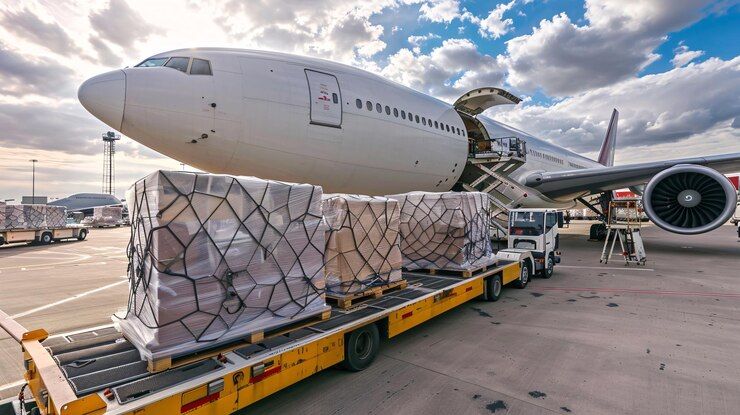
Today, air cargo includes shipments carried in dedicated cargo aircraft as well as goods transported in the cargo compartments of passenger aircraft. Shipments may range from small parcels and commercial documents to machinery components, electronics, medical equipment, perishables, and other regulated products.
Air cargo shipping generally involves several parties. These can include the sender, freight forwarder, airline, airport operator, customs authorities, ground-handling teams, and the recipient. Each party may have a different role in preparing documents, handling cargo, completing inspections, and moving goods through the transportation network.
The process begins when cargo is prepared for transportation. The shipment is packaged according to its characteristics, weighed and measured, documented, and presented for acceptance. It then moves through security and handling procedures before being loaded onto an aircraft.
After the flight, the cargo is unloaded and transferred through arrival procedures. Depending on the shipment and destination, customs clearance may be required before the goods can continue to their final destination.
Importance
Air cargo shipping matters because some goods need to travel quickly or over long distances. Compared with slower transportation methods, air transportation can reduce transit time, which can be particularly relevant when products have limited shelf life or when production depends on specific components arriving on schedule.
The system also supports global supply chains. Manufacturers may obtain components from different regions, while distributors can move finished products between international markets. A disruption in one part of a supply chain can therefore affect manufacturers, retailers, logistics providers, and consumers.
Air cargo is also relevant to everyday situations. Documents, replacement parts, specialized equipment, temperature-sensitive products, and personal shipments may all move through air freight networks.
Several practical challenges make careful planning important:
- Shipment dimensions and weight can affect aircraft acceptance and handling requirements.
- Packaging must protect the contents during loading, unloading, and transportation.
- Customs documentation must accurately describe the goods.
- Certain products may require additional permits or handling procedures.
- Dangerous goods are subject to specific transportation rules.
- Flight schedules and airport capacity can influence transit times.
- Weather, security procedures, operational disruptions, and congestion can affect cargo movement.
Another important consideration is tracking. Modern logistics systems can provide shipment status information at different stages, helping organizations understand whether cargo has been accepted, loaded, departed, arrived, or released for onward transportation.
Common Air Cargo Shipment Categories
Air freight is used for many different types of goods, although acceptance depends on applicable regulations and aircraft requirements.
| Cargo category | Typical examples | Important consideration |
|---|---|---|
| General cargo | Consumer goods, clothing, equipment | Packaging and documentation |
| Perishable cargo | Food products, flowers | Temperature and handling |
| High-value cargo | Electronics, specialized equipment | Security and controlled handling |
| Oversized cargo | Industrial components, machinery | Aircraft and handling capacity |
| Dangerous goods | Certain chemicals, batteries | Specialized regulatory requirements |
| Documents | Commercial and legal paperwork | Correct documentation and packaging |
The category of cargo can influence how the shipment is packaged, documented, screened, stored, and transported.
Recent Updates
From 2024 through 2026, air cargo has continued moving toward greater digitalization, improved shipment visibility, and more integrated logistics processes. Electronic documentation has become increasingly important as organizations seek to reduce paper-based procedures and improve the accuracy of shipment information.
Digital cargo platforms can connect information from different stages of transportation. Data may include shipment identification, flight information, handling status, customs information, and delivery updates. Greater data integration can make it easier for different parties to coordinate cargo movement.
Automation is another continuing development. Airports and cargo facilities are adopting technologies such as automated sorting, barcode scanning, electronic identification, warehouse management systems, and connected handling equipment. These technologies can reduce manual data entry and help organize cargo flows.
Artificial intelligence and data analytics are also being explored for logistics planning. Potential applications include demand forecasting, route analysis, capacity planning, anomaly detection, and estimated arrival calculations. These systems depend on accurate data and do not eliminate the need for human oversight.
Sustainability has also become a more visible consideration in air freight. Aircraft efficiency, alternative aviation fuels, optimized cargo loading, improved ground operations, and emissions measurement are among the areas receiving continued attention.
Another trend is the growth of specialized logistics requirements. Temperature-controlled transportation, battery handling, pharmaceutical logistics, and sensitive electronic equipment require more detailed controls than ordinary general cargo. This has increased attention on packaging, monitoring, documentation, and handling procedures.
Laws or Policies
Air cargo shipping is governed by multiple layers of international, national, and local rules. Because shipments frequently cross borders, the applicable requirements can involve aviation authorities, customs agencies, security authorities, and other government bodies.
International aviation standards play an important role. The International Civil Aviation Organization establishes global standards and recommended practices relating to civil aviation, including areas that affect the safe movement of cargo.
Dangerous goods are subject to specific aviation requirements. Certain batteries, chemicals, gases, flammable materials, and other products may require specialized packaging, labeling, documentation, and handling. Some items may have restrictions or may not be accepted for air transportation under particular circumstances.
Customs rules are another major part of international air freight. Shipments crossing a border generally require information about the sender, recipient, contents, value, origin, and other relevant details. Customs authorities may inspect shipments and determine whether additional documentation, duties, taxes, or permits apply.
Cargo security rules are designed to reduce risks associated with unauthorized or prohibited items entering the aviation system. Screening methods can include physical inspection, X-ray examination, explosive detection procedures, and other security controls depending on the applicable framework.
Trade documentation can also include commercial invoices, packing lists, air waybills, certificates of origin, import or export permits, and product-specific documents. The exact requirements depend on the nature of the cargo and the countries involved.
Since regulations can change, shipment documentation and regulatory requirements should be checked against the applicable official authorities before transportation. General information cannot replace professional customs, legal, or regulatory guidance for a specific shipment.
Tools and Resources
Several tools can help people understand and manage air cargo shipping. The appropriate tool depends on whether the user needs information about shipment dimensions, documentation, regulations, tracking, or logistics planning.
A dimensional-weight calculator can help estimate how the physical size of a shipment may affect its chargeable weight. Air freight calculations may consider either the actual weight or a volumetric calculation based on package dimensions, depending on the applicable transportation rules.
Shipment tracking platforms can provide status information using an air waybill number or another shipment identifier. Tracking information may show milestones such as acceptance, departure, arrival, customs processing, and release.
Regulatory databases are useful when cargo has special requirements. Official customs and aviation authority websites can provide information about import procedures, prohibited goods, permits, documentation, and security requirements.
The following resources are commonly useful:
- Air waybill documentation for identifying and processing air cargo.
- Packing lists for describing packages and their contents.
- Dimensional-weight calculators for estimating shipment weight classifications.
- Customs documentation guides for cross-border shipments.
- Dangerous-goods regulations for restricted or regulated cargo.
- Shipment tracking platforms for monitoring transportation progress.
- Airport cargo information portals for facility and handling details.
- International aviation and customs guidance for regulatory reference.
A simple shipment preparation checklist can also reduce documentation errors. Before transportation, the sender can verify the cargo description, quantity, dimensions, weight, packaging, recipient information, customs documents, and any special handling requirements.
FAQs
What is air cargo shipping?
Air cargo shipping is the transportation of goods by aircraft. It can involve general cargo, documents, equipment, perishables, and certain regulated products, subject to applicable aviation, customs, and security requirements.
How does the air cargo delivery process work?
The air cargo delivery process generally includes booking, cargo preparation, documentation, acceptance, security screening, handling, aircraft loading, transportation, arrival processing, customs clearance when applicable, and final delivery.
What documents are needed for air cargo shipping?
Common documents can include an air waybill, commercial invoice, packing list, and customs declarations. Additional permits or certificates may be required for particular products, destinations, or regulated goods.
How is air cargo different from other freight transportation?
Air cargo generally uses aircraft, while other freight may use ships, trucks, or rail systems. Air transportation can provide shorter transit periods for many routes, while the appropriate transportation method depends on factors such as cargo characteristics, distance, schedule requirements, and logistics planning.
What goods can be transported by air cargo?
Many general goods can be transported by air, including electronics, clothing, machinery components, documents, and certain perishable products. Dangerous goods, batteries, oversized cargo, and other specialized items may have additional restrictions, packaging requirements, or handling procedures.
Conclusion
Air cargo shipping is an important component of modern global logistics, connecting manufacturers, distributors, businesses, and individuals across long distances. Its process involves cargo preparation, documentation, security screening, aircraft transportation, customs procedures, and final delivery. Digital tracking, automation, specialized handling, and sustainability initiatives continue to influence how air freight networks operate. Understanding the basic process and regulatory requirements helps explain how goods move safely and efficiently through the global air cargo system.