Electric bikes have become a familiar sight in cities, suburbs, and rural areas. They combine the familiar design of a traditional bicycle with an electric motor and a rechargeable battery that provides pedal assistance or motor-powered movement. This combination makes cycling more practical for longer distances, hills, and everyday travel.
The idea of assisted cycling has existed for many years, but improvements in battery technology, motor efficiency, and lightweight materials have made electric bikes more practical for everyday use. Today, they are used for commuting, recreation, fitness, and short-distance transportation.
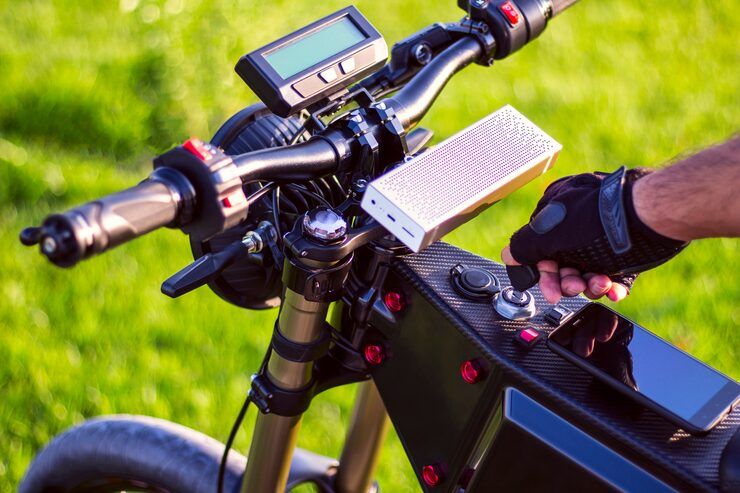
Choosing the right electric bike involves more than selecting a design that looks appealing. Different models are built for different purposes, and understanding those differences helps people select an option that matches their daily routine, riding environment, and personal preferences.
Since electric bikes vary in battery size, motor placement, riding position, and intended use, learning about these features can make the selection process much easier.
Importance
Electric bikes have become increasingly relevant as more people look for practical transportation options that reduce physical effort while supporting active travel. They are used by students, office workers, recreational riders, older adults, and people who regularly travel short or medium distances.
One reason electric bikes matter is their versatility. They can be used on city streets, dedicated cycling paths, and some outdoor trails, depending on the design. Riders who previously found long rides difficult may find electric assistance more manageable.
Electric bikes also address several everyday challenges, including:
- Reducing physical strain during longer rides.
- Helping riders climb hills with less effort.
- Supporting daily commuting without relying entirely on motor vehicles.
- Making cycling accessible to a wider range of people.
- Providing another transportation option for short local trips.
Selecting an electric bike that matches individual needs can improve comfort, safety, and overall riding experience.
Understanding Different Types of Electric Bikes
Electric bikes are designed for different environments and riding styles.
| Electric Bike Type | Suitable Use | Common Features |
|---|---|---|
| City Electric Bike | Daily commuting | Comfortable seating, smooth tires |
| Mountain Electric Bike | Off-road trails | Strong suspension, wider tires |
| Folding Electric Bike | Limited storage space | Compact frame, foldable design |
| Cargo Electric Bike | Carrying heavier loads | Extended frame, larger storage area |
| Hybrid Electric Bike | Mixed riding conditions | Balanced design for roads and paths |
Understanding these categories helps narrow the selection based on intended use.
Battery Capacity
Battery capacity determines how much energy is available before recharging becomes necessary. Larger batteries generally support longer riding distances, although actual range depends on terrain, rider weight, weather conditions, and riding style.
People who travel longer distances regularly may prefer a larger battery, while shorter daily rides may require less battery capacity.
Motor Position
Electric bike motors are commonly placed in different locations.
- Hub motor: Located in the front or rear wheel and commonly used for everyday riding.
- Mid-drive motor: Positioned near the pedals, providing balanced weight distribution and efficient hill climbing.
Each design creates a slightly different riding experience.
Frame Design
Frame style influences comfort, handling, and accessibility.
Common frame options include:
- Step-through frames for easier mounting.
- Traditional diamond frames for balanced handling.
- Compact folding frames for storage and transport.
The appropriate frame depends on rider preference and intended use.
Wheel Size
Wheel size affects stability and maneuverability.
Smaller wheels can improve portability, while larger wheels often provide smoother riding over uneven surfaces.
Braking System
Reliable brakes are important for every electric bike.
Common braking systems include:
- Mechanical disc brakes.
- Hydraulic disc brakes.
- Rim brakes.
Disc brakes generally perform consistently in different weather conditions.
Recent Updates
Electric bike technology continues to develop steadily, with manufacturers focusing on efficiency, safety, and durability rather than dramatic design changes.
Several recent developments have become more common across the industry.
Improved Battery Technology
Modern batteries are becoming lighter while maintaining similar energy capacity. Improved battery management systems also help monitor charging and overall battery health.
Smarter Display Systems
Many electric bikes now include digital displays that provide information such as:
- Battery level.
- Speed.
- Distance traveled.
- Riding mode.
- Estimated remaining range.
Some models also support smartphone connectivity for ride tracking and navigation.
Enhanced Safety Features
Safety improvements continue to expand.
Examples include:
- Integrated lighting systems.
- Automatic brake light activation.
- Improved reflective components.
- Better battery protection systems.
Sustainable Manufacturing
Many manufacturers are exploring recycled materials, energy-efficient production methods, and components designed for longer operational life.
Battery Recycling Programs
As electric bike adoption grows, greater attention is being given to responsible battery collection and recycling to reduce environmental impact.
Laws or Policies
Electric bike regulations vary by country and sometimes by local authorities. Riders should become familiar with the applicable rules before using an electric bike on public roads or cycling paths.
Common regulations often address:
- Maximum motor power.
- Assisted speed limits.
- Helmet requirements.
- Minimum rider age.
- Permitted riding locations.
- Lighting and reflector requirements.
In many countries, electric bikes that provide pedal assistance within specified speed and motor limits are treated differently from motorcycles or scooters. Faster or more powerful models may fall under separate regulatory categories.
Some governments also encourage cycling infrastructure by expanding bike lanes, charging facilities, and secure parking areas. These initiatives support safer travel while accommodating the growing number of electric bike users.
Because regulations continue to evolve, checking official transportation department guidance before riding is advisable.
Tools and Resources
Several digital resources can help people compare features and understand electric bike specifications.
Useful resources include:
- Route planning applications that estimate travel distance and elevation.
- Battery range calculators that estimate expected riding distance under different conditions.
- Official transportation department websites explaining electric bike regulations.
- Cycling safety guides covering road rules and protective equipment.
- Interactive maps showing bicycle lanes and shared-use paths.
- Maintenance checklists that help track battery care, tire pressure, brake inspection, and routine cleaning.
These resources provide helpful information without replacing local regulations or manufacturer instructions.
Practical Checklist Before Choosing an Electric Bike
Before selecting an electric bike, consider the following questions:
- What is the primary purpose of the bike?
- How far will most rides be?
- Will riding mainly occur on roads, trails, or mixed surfaces?
- Is storage space limited?
- How important is battery range?
- Is carrying cargo or additional equipment necessary?
- What level of maintenance is comfortable to manage?
Answering these questions helps narrow the available options.
FAQs
How do I choose the right electric bike for daily commuting?
Consider riding distance, terrain, battery capacity, frame style, and storage space. A comfortable riding position and reliable braking system are also important for regular commuting.
What battery size should an electric bike have?
Battery size depends on expected travel distance, rider weight, terrain, weather conditions, and the amount of pedal assistance used during each ride.
Are electric bikes suitable for hills?
Many electric bikes can assist while climbing hills through motor support. Performance varies depending on motor type, battery capacity, and overall bicycle design.
How long does an electric bike battery usually last?
Battery lifespan depends on charging habits, storage conditions, usage frequency, and overall maintenance. Following manufacturer guidance helps maintain battery performance over time.
What should I compare before choosing an electric bike?
Important factors include battery capacity, motor position, frame design, wheel size, braking system, riding comfort, intended use, and applicable local regulations.
Conclusion
Choosing the right electric bike begins with understanding how and where it will be used. Battery capacity, motor placement, frame style, braking system, and riding environment all influence the overall experience. Learning about current technology, applicable regulations, and practical planning tools helps people make informed decisions. As electric bike technology continues to develop, these vehicles remain an important part of modern personal transportation.