Modern Saudi interior design combines traditional Arabian influences with contemporary architecture and practical living needs. It reflects cultural identity while embracing clean lines, open layouts, and functional spaces. Over time, this design style has evolved alongside changing lifestyles, urban development, and new construction techniques.
Homes across Saudi Arabia often balance comfort with cultural values. Many interiors feature neutral color palettes, natural materials, geometric patterns, and carefully selected decorative details inspired by local heritage. Large windows, thoughtful lighting, and spacious layouts have also become common elements in modern residential design.
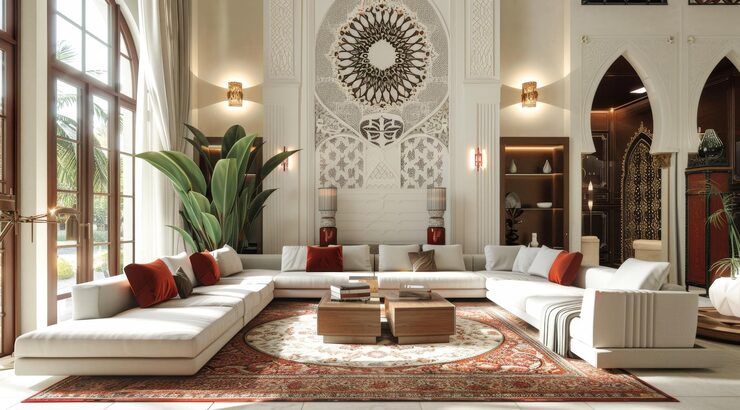
Climate also plays a role in shaping interior spaces. Warm temperatures encourage the use of materials, colors, and layouts that help create comfortable indoor environments throughout the year. As a result, modern Saudi interior ideas often focus on combining visual appeal with everyday practicality.
While each household has its own preferences, the overall approach emphasizes elegance, simplicity, and functionality without losing connections to regional traditions.
Importance
Modern Saudi interior design matters because homes have become more than places for daily living. Many families now look for spaces that support relaxation, work, family gatherings, and personal activities within the same environment.
Well-planned interiors can improve daily routines by making rooms easier to use and maintain. Practical layouts also help maximize available space, especially in apartments and urban housing developments.
Several factors contribute to the growing interest in elegant living spaces:
- Growing urban communities with contemporary housing.
- Increased attention to sustainable building practices.
- Greater appreciation for locally inspired design.
- Integration of smart home technology.
- Flexible rooms that support multiple household activities.
Interior design also reflects cultural traditions. Separate gathering spaces, privacy considerations, and welcoming guest areas continue to influence home layouts while blending with modern architectural styles.
Traditional Elements in Modern Homes
Many contemporary Saudi homes include familiar design features that connect past and present.
Common examples include:
- Decorative mashrabiya-inspired screens.
- Islamic geometric patterns.
- Arabic calligraphy as wall décor.
- Natural stone finishes.
- Wood accents with modern styling.
- Soft earth-tone color schemes.
These elements help maintain cultural identity while creating elegant and comfortable interiors.
Materials Commonly Used
Modern Saudi interiors often use durable materials suited to the local climate.
| Material | Common Interior Use | Visual Character |
|---|---|---|
| Natural stone | Floors and feature walls | Textured and timeless |
| Wood | Cabinets and furniture | Warm and balanced |
| Glass | Windows and partitions | Bright and open |
| Metal finishes | Lighting and décor | Contemporary appearance |
| Marble | Countertops and flooring | Refined surface |
| Linen and cotton | Curtains and upholstery | Comfortable texture |
Recent Updates
Interior design trends have continued evolving as homeowners seek practical and visually balanced spaces. Contemporary Saudi homes increasingly combine local influences with international design ideas while maintaining cultural values.
Smart Home Integration
Modern homes increasingly include connected technologies that simplify everyday living.
Examples include:
- Smart lighting systems.
- Digital climate controls.
- Automated window coverings.
- Security monitoring systems.
- Energy management controls.
These technologies are often incorporated without changing the overall visual appearance of the interior.
Sustainable Interior Design
Greater attention is being given to environmentally conscious materials and energy-efficient home planning.
Current trends include:
- Energy-efficient lighting.
- Water-saving fixtures.
- Durable locally sourced materials where available.
- Improved natural daylight planning.
- Furniture designed for long-term use.
These approaches support resource conservation while maintaining attractive living spaces.
Flexible Living Areas
Many newer homes include rooms that serve multiple purposes throughout the day. A single area may function as a family room, study space, or home office depending on changing needs.
Modular furniture and movable partitions have become increasingly common in contemporary layouts.
Minimalist Design Influence
Simple forms continue to shape modern Saudi interiors.
Characteristics often include:
- Neutral color palettes.
- Hidden storage.
- Clean architectural lines.
- Limited decorative clutter.
- Carefully selected statement pieces.
Rather than removing cultural identity, minimalist interiors often highlight traditional details more effectively.
Laws or Policies
Interior design in Saudi Arabia is influenced by national building regulations, municipal planning requirements, and broader development initiatives.
Residential construction generally follows building standards intended to support structural safety, accessibility, and environmental performance. Interior renovations may also need to comply with applicable municipal requirements, particularly when structural changes are involved.
National development programs encourage improved housing quality, sustainable construction practices, and efficient use of resources. These broader initiatives influence architectural planning, energy efficiency, and modern residential development across many regions.
Building projects may also consider:
- Fire safety requirements.
- Electrical installation standards.
- Ventilation guidelines.
- Accessibility considerations.
- Environmental efficiency objectives.
Requirements can vary depending on the type of property and local authority.
Tools and Resources
Several digital resources help homeowners, designers, and architects explore interior design concepts before construction or renovation begins.
Design Software
Popular planning software allows users to visualize room layouts, furniture placement, lighting, and material combinations.
Examples include:
- Autodesk Revit.
- SketchUp.
- AutoCAD.
- Planner 5D.
- Floorplanner.
These tools assist with creating accurate floor plans and three-dimensional visualizations.
Color Planning Tools
Digital color visualizers help compare wall finishes, flooring, furniture, and decorative accents before making design decisions.
Lighting Calculators
Lighting planning tools estimate suitable illumination levels for different room sizes and functions.
Building Information Resources
Government and municipal websites provide guidance related to construction regulations, building permits, and residential development policies where applicable.
Interior Design Templates
Floor plan templates help organize room layouts and furniture placement while supporting efficient space planning.
FAQs
What defines modern Saudi interior ideas?
Modern Saudi interior ideas combine contemporary design with traditional Arabian influences. Common features include neutral colors, natural materials, geometric patterns, spacious layouts, and practical living spaces that reflect local culture.
Which colors are commonly used in modern Saudi interior design?
Many homes use beige, cream, white, soft gray, sand, and earthy tones. These colors create calm interiors while complementing natural materials such as wood and stone.
How do modern Saudi interior ideas support elegant living spaces?
Elegant living spaces often emphasize simplicity, balanced furniture arrangements, quality materials, natural lighting, and decorative details inspired by regional heritage. The overall design focuses on comfort and functionality.
Are smart home features common in modern Saudi interior design?
Yes. Many contemporary homes integrate smart lighting, climate controls, automated window coverings, and connected security systems while maintaining clean and uncluttered interior designs.
What materials are frequently used in modern Saudi interiors?
Natural stone, marble, wood, glass, linen, cotton, and metal finishes are commonly incorporated into flooring, furniture, wall treatments, and decorative features to create durable and visually balanced interiors.
Conclusion
Modern Saudi interior ideas bring together cultural heritage and contemporary living in a balanced way. Elegant living spaces often combine practical layouts, natural materials, thoughtful lighting, and timeless decorative elements. Current design trends also reflect growing interest in sustainability, smart home technology, and flexible interiors. Together, these features illustrate how residential spaces continue to evolve while preserving important aspects of Saudi architectural identity.